




Cable Chain: A Complete Guide to Choosing the Right Solution for Industrial Cable Management
Introduction: Why Cable Chain Matters in Modern Manufacturing
In today’s rapidly developing manufacturing industry, automation equipment, Cnc Machines, robotics, and intelligent production lines require reliable systems to manage cables, hoses, and electrical connections. During continuous machine movement, cables are often exposed to bending, friction, dust, oil, and mechanical stress. Without proper protection, cable damage can lead to equipment downtime, higher maintenance costs, and reduced production efficiency.
A Cable Chain is an essential component designed to guide, protect, and organize cables and hoses during dynamic movement. By providing controlled cable routing, a high-quality Cable Chain helps extend cable service life while ensuring safer and more stable operation of industrial machinery.
With the increasing demand for automation solutions, Cable Chain systems have become widely used in CNC machining centers, welding equipment, robotics, semiconductor equipment, glass machinery, and many other industrial applications.
What Is a Cable Chain and How Does It Work?
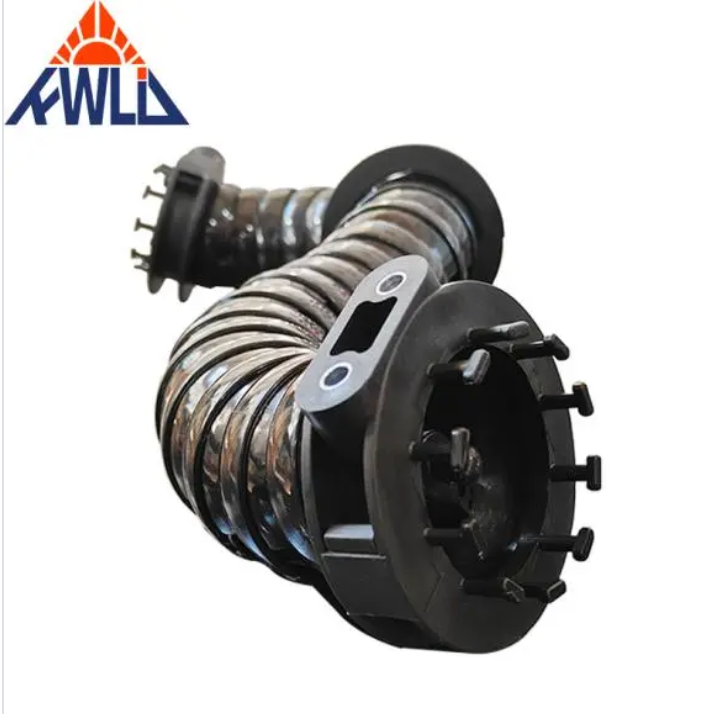
A Cable Chain, also known as a cable Drag Chain or energy chain, is a flexible mechanical structure that contains interconnected links. These links allow cables and hoses to move smoothly while maintaining a defined bending radius.
During machine operation, moving parts such as robotic arms, sliding tables, or CNC axes create repeated motion. Instead of allowing cables to move freely and become tangled, a Cable Chain guides them along a specific path. This prevents excessive bending, twisting, and external damage.
The main functions of a Cable Chain include:
- Protecting cables from abrasion and impact
- Preventing cable tangling during high-speed movement
- Supporting continuous bending cycles
- Improving machine safety and reliability
- Simplifying cable installation and maintenance
A properly selected Cable Chain can significantly improve the overall performance of automated equipment.
Different Types of Cable Chain for Industrial Applications
Choosing the right Cable Chain depends on factors such as machine structure, movement speed, environmental conditions, and cable weight. Different designs provide different advantages.
1. Plastic Cable Chain
Plastic Cable Chain products are widely used because of their lightweight structure, smooth operation, and excellent flexibility. They are generally manufactured using engineering plastics that provide good wear resistance and stable performance.
Advantages include:
- Lightweight design
- Low operating noise
- Easy installation
- Cost-effective maintenance
- Suitable for various automation systems
Plastic Cable Chain is commonly applied in CNC machines, electronic equipment, and automated production lines where moderate load capacity is required.
2. Steel Cable Chain
For heavy-duty industrial environments, steel Cable Chain provides stronger load-bearing capability and enhanced durability.
Steel designs are suitable for:
- Large CNC machines
- Heavy machining equipment
- Long travel distance applications
- Harsh industrial environments
Compared with plastic models, steel Cable Chain offers higher mechanical strength and better resistance against external impact.
Key Factors When Selecting a Cable Chain
Selecting the correct Cable Chain is important because different machines have different operating requirements. The following factors should be carefully considered.
Cable Size and Internal Space
The internal height and width of the Cable Chain must be large enough to accommodate cables, air tubes, and hydraulic hoses. Proper space prevents excessive compression and allows cables to move naturally.
A general recommendation is to leave additional internal clearance rather than filling the chain completely. This helps reduce friction and improves movement efficiency.
Bending Radius
Every cable has a minimum bending radius. The selected Cable Chain should match the cable requirements to prevent unnecessary stress.
An unsuitable bending radius may cause:
- Cable insulation damage
- Reduced cable lifespan
- Unexpected equipment failure
Therefore, understanding cable specifications before choosing a Cable Chain is essential.
Operating Environment
Different working environments require different materials and structures.
For example:
- Dusty workshops may require enclosed protection
- High-speed equipment may need low-noise designs
- Heavy industrial applications may require stronger steel structures
- Oil exposure areas may require chemical-resistant materials
A suitable Cable Chain should provide reliable protection under actual working conditions.
Applications of Cable Chain in Industrial Equipment
The use of Cable Chain has expanded with the development of intelligent manufacturing.
CNC Machine Tools
CNC machines require continuous movement of cutting tools and worktables. A durable Cable Chain helps protect electrical cables and coolant hoses while maintaining precise machine operation.
Robotics and Automation Equipment
Robotic systems often perform repeated movements at high speed. A flexible Cable Chain ensures cables remain organized and protected during complex motion cycles.
Welding Equipment
Welding machines operate in demanding environments where cables may face heat, sparks, and frequent movement. Proper Cable Chain solutions improve safety and equipment reliability.
Glass and Stone Processing Machinery
Large processing equipment requires stable cable routing systems. A reliable Cable Chain helps maintain smooth operation and reduces maintenance frequency.
Benefits of Using High-Quality Cable Chain
Investing in a high-quality Cable Chain provides long-term value for manufacturers.
Improved Equipment Reliability
By reducing cable wear and mechanical stress, Cable Chain systems help prevent unexpected failures.
Reduced Maintenance Costs
Protected cables require fewer replacements, reducing downtime and maintenance expenses.
Better Workplace Safety
Organized cable routing minimizes risks caused by loose or damaged cables.
Increased Production Efficiency
Stable machine operation allows manufacturers to maintain consistent productivity.
Maintenance Tips for Extending Cable Chain Service Life
Although a Cable Chain is designed for long-term operation, regular maintenance can further improve performance.
Recommended practices include:
- Check for abnormal noise during movement
- Remove dust and debris regularly
- Inspect chain links for wear or damage
- Avoid exceeding recommended cable weight limits
- Ensure cables are arranged evenly inside the chain
Regular inspection helps maintain smooth operation and extends the lifespan of both the Cable Chain and connected equipment.
Conclusion: Choosing the Right Cable Chain for Future Manufacturing
As industrial automation continues to advance, reliable cable management has become increasingly important. A well-designed Cable Chain is not simply a protective accessory; it is a critical component that supports machine efficiency, safety, and long-term performance.
Whether used in CNC equipment, robotics, welding systems, or automated production lines, selecting the appropriate Cable Chain based on load requirements, environment, and movement conditions can deliver significant operational benefits.
By understanding the structure, advantages, and application requirements of different Cable Chain solutions, manufacturers can make smarter decisions and build more reliable industrial systems.