


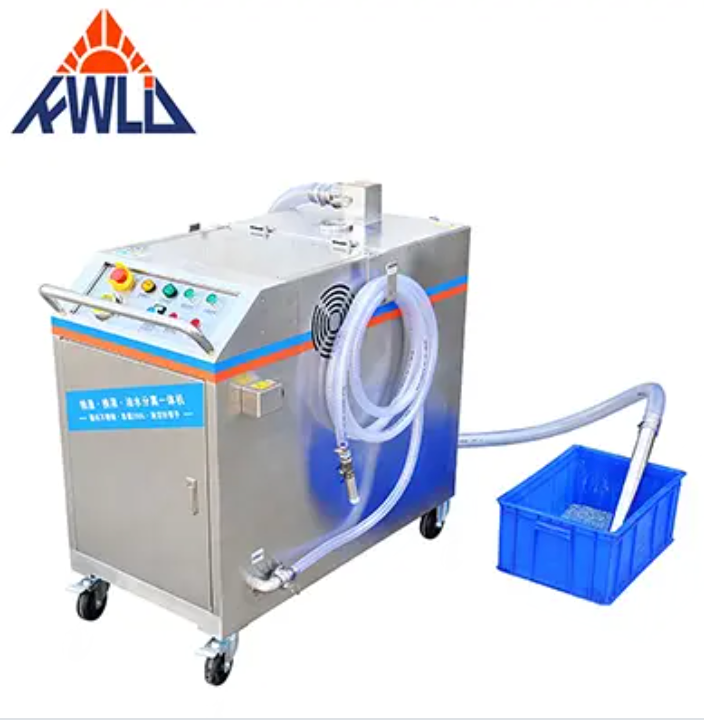


Best Vertical Oil Mist Extraction Systems
In manufacturing and machining environments, oil mist can pose significant challenges, from health risks to equipment damage. A well-designed oil mist extraction system is essential for maintaining clean air, protecting worker health, and preserving machinery. Vertical oil mist extraction systems offer a compact and efficient solution, especially in workspaces where floor space is limited. This article will guide you through the benefits, features, and factors to consider when selecting the best vertical oil mist extraction systems for your operation.
Why Choose a Vertical Oil Mist Extraction System?
Vertical oil mist extraction systems are specially designed to capture and filter airborne oil mist particles generated during processes like CNC machining, metalworking, and other manufacturing activities. By extracting and filtering these particles, vertical systems help maintain a clean and safe working environment while also protecting sensitive equipment from potential oil contamination. Here are some of the main advantages:
Space Efficiency
Vertical systems have a smaller footprint compared to horizontal models, making them ideal for facilities with limited floor space. They can often be wall-mounted or positioned in tight spaces without interfering with other equipment.
High Filtration Efficiency
Advanced vertical oil mist extractors use multi-stage filtration, which captures even the smallest mist particles. This ensures that the air released back into the workspace is clean and free from hazardous contaminants, reducing health risks for employees.
Easy Maintenance
Many vertical systems are designed with user-friendly features, making maintenance quick and hassle-free. Some models come with self-cleaning filters, which can reduce the need for frequent filter replacements and keep maintenance costs low.
Energy Savings
Energy-efficient models help lower operational costs, especially in facilities where extraction systems run continuously. High-efficiency motors and optimized airflow designs in vertical systems consume less energy, making them more sustainable over the long term.
Key Features to Look for in a Vertical Oil Mist Extraction System
When selecting a vertical oil mist extraction system, several key features can make a difference in performance and suitability for your specific needs. Here are a few critical factors to consider:
Multi-Stage Filtration
Look for systems that offer multi-stage filtration, which typically includes a pre-filter, main filter, and HEPA or ULPA filter. These filtration stages are essential for capturing particles of varying sizes and ensuring clean air is reintroduced into the workspace.
Variable Airflow Control
Systems with variable airflow control allow operators to adjust the extraction speed based on the mist volume generated by different processes. This flexibility ensures that the system can handle both low- and high-mist operations effectively, without compromising on filtration quality.
Durability and Construction Quality
Choose a system constructed from high-quality, corrosion-resistant materials. Vertical oil mist extractors are frequently exposed to oil, chemicals, and other industrial byproducts, so robust construction helps them withstand harsh conditions and extend their lifespan.
Quiet Operation
In a manufacturing environment, reducing noise levels can contribute to a better work atmosphere. Systems that operate quietly ensure minimal disruption, which is especially beneficial if the extraction system is located close to workstations.
Automatic Drainage System
An automatic drainage system prevents the build-up of oil within the extractor, ensuring efficient operation and reducing the need for manual emptying. This feature also helps prolong the life of the filters by preventing clogging from excess oil.
Benefits of Investing in Vertical Oil Mist Extraction Systems
Implementing a vertical oil mist extraction system in your facility provides numerous benefits, from improving indoor air quality to enhancing equipment longevity. Here’s how these systems contribute to a more efficient and safe workplace:
Enhanced Air Quality and Safety
Oil mist particles are hazardous when inhaled, posing respiratory risks and creating slip hazards when they settle on surfaces. By effectively capturing and filtering mist, a vertical extraction system improves air quality, making the workspace safer for employees.
Extended Equipment Lifespan
Oil mist can damage sensitive machinery by settling on surfaces and causing mechanical issues over time. Effective mist extraction reduces this exposure, thereby extending the lifespan of your equipment and minimizing the need for costly repairs or replacements.
Regulatory Compliance
Many industries must comply with occupational health and safety regulations regarding air quality. Installing an efficient oil mist extraction system helps meet these standards, ensuring your facility is compliant and reducing the risk of potential fines.
Cost Savings on Maintenance
Since many vertical oil mist extraction systems are designed with features that simplify maintenance, such as self-cleaning filters and automatic drainage, they help minimize operational downtime and reduce maintenance costs in the long term.
Sustainable Operations
Energy-efficient systems use less power while delivering high performance, contributing to a more sustainable and eco-friendly operation. By reducing waste and energy consumption, vertical extractors align with modern sustainability goals.
How to Maximize the Efficiency of Your Oil Mist Extraction System
To get the most out of your vertical oil mist extraction system, follow these best practices:
Perform Regular Maintenance: Even with self-cleaning filters, it’s essential to perform routine inspections and cleaning to ensure the system operates efficiently. Replace filters when necessary to maintain optimal filtration.
Position the Extractor Correctly: Ensure the extractor is positioned close to the source of oil mist to capture particles effectively. Proper positioning helps prevent mist from spreading and reduces strain on the extraction system.
Train Staff on System Operation: Providing training for staff on how to operate and maintain the extraction system ensures it’s used effectively and safely. Employees should understand how to adjust settings, identify issues, and conduct basic maintenance.
Monitor Air Quality Regularly: Use air quality monitors to assess the effectiveness of your extraction system. Monitoring provides data on air purity levels, helping identify if the system needs adjustments or upgrades.
Conclusion
Choosing the right vertical oil mist extraction system is a crucial step toward creating a cleaner, safer, and more efficient work environment. These systems offer a compact, powerful solution for facilities where space is limited but air quality is paramount. By investing in a high-quality system with the right features, you can protect employees, extend the lifespan of your machinery, and meet regulatory requirements. Take the time to assess your facility’s unique needs and select a vertical oil mist extraction system that maximizes both operational efficiency and environmental responsibility.